Source Rose Brightening Collagen Mask for Home, Commercial, and Anti-Aging
Explore 30 listings for the rose brightening collagen mask designed for moisturizing, whitening, and nourishing skin. Buyers can compare specifications, ingredients like hyaluronic acid and rose, and customization options for face and lip applications across various skin types.
Key considerations
Products List
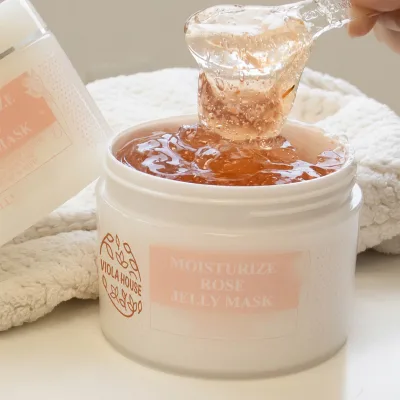








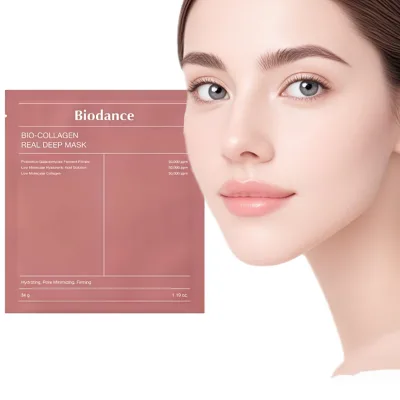
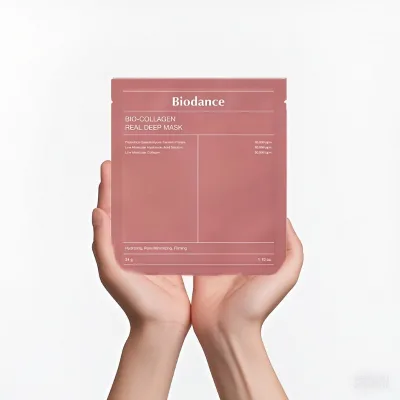
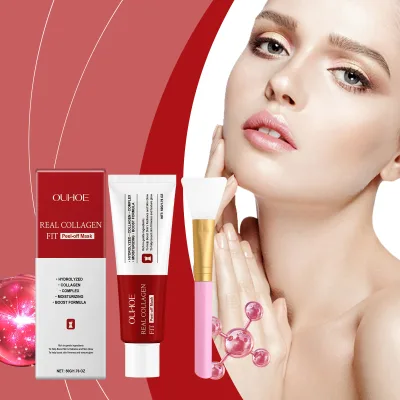


Comprehensive Sourcing Guide
Strategic Sourcing Guide for Rose Brightening Collagen Masks
Understanding Product Specifications and Variants
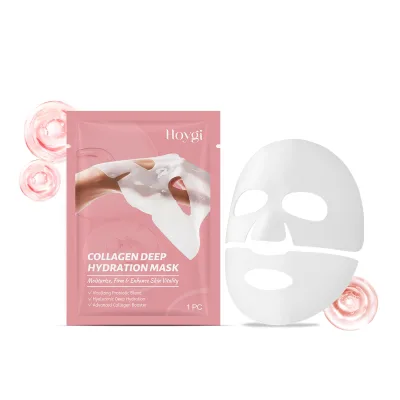
The core keyword "rose brightening collagen mask" describes a specific category of skincare products that combines botanical extracts with structural proteins to deliver targeted aesthetic benefits. Based on the available market data, this product category is not monolithic but rather encompasses several distinct variants, each with unique technical specifications. Buyers must first distinguish between the primary forms observed in the supply chain: cream-based formulations, sheet masks, and specialized lip patches. The data indicates that "Cream" is a documented form factor, while "Mask sheet" and "Collagen Lip Patch" represent alternative physical structures designed for different application methods.
A critical specification to verify is the size type. The market data reveals a dichotomy where some products are listed as "Regular Size," while others are explicitly "Customizable" or "Customized." This distinction is vital for procurement strategy. If a buyer requires a standardized SKU for retail distribution, they must prioritize suppliers offering "Regular Size" options. Conversely, private label clients seeking unique branding often require "Customized" shapes and sizes. The material composition is another defining attribute. While the core keyword implies collagen, the observed data lists "Collagen," "Silk," and "Cotton" as distinct material bases. A "Silk" mask typically offers a different texture and adherence profile compared to a "Cotton" sheet, which may be preferred for absorbing specific serum formulations.
The ingredient profile is equally complex. The primary active ingredients identified include "Hyaluronic acid," "Rose," and "Collagen." However, the data also lists a broader spectrum of potential additives such as "Aloe Vera," "Dead Sea Salt," "Glycerin," "Green Tea," "Jojoba Oil," "Shea Butter," and "Vitamin C." Buyers should not assume that every product labeled as a "Rose Mask" contains all these ingredients. The presence of "Organic" ingredients is noted as a specific attribute in some listings, but this requires verification against the specific batch or supplier claim. The main ingredient for certain variants is listed simply as "Cotton," which refers to the carrier material rather than the active serum, highlighting the need for precise terminology when requesting product samples.
Compliance, Certification, and Regulatory Standards
Navigating the regulatory landscape for beauty and personal care products requires rigorous attention to certifications and standards. The supplied data confirms that products in this category may carry certifications such as "CE," "GMP" (Good Manufacturing Practice), and "MSDS" (Material Safety Data Sheet). These are not merely marketing terms but essential documents for international trade. GMP certification indicates that the manufacturing facility adheres to strict quality control procedures, which is a baseline requirement for reputable B2B sourcing. CE marking suggests compliance with European health, safety, and environmental protection standards, which is critical if the target market includes the European Union.
When evaluating suppliers, buyers must verify the origin of these certifications. The data points to "Guangdong, China" and "Hubei, China" as primary production locations. While these regions have robust manufacturing ecosystems, the specific standards applied can vary. The data mentions a "prod_standard" of "80g" for certain models and "30 Pairs" for others, which likely refers to the net weight or quantity per package rather than a regulatory standard. Buyers should not assume these figures represent a universal industry standard but rather specific product configurations. It is imperative to request the actual certification documents rather than relying on a supplier's verbal assurance.
Furthermore, the "Shelf Life" is a critical compliance metric. The observed data specifies a shelf life of "3 Years." This duration impacts logistics, inventory management, and labeling requirements. Regulatory bodies in many jurisdictions require clear expiration dating on cosmetic products. Buyers must ensure that the supplier's labeling practices align with the destination market's regulations regarding shelf-life declaration. Additionally, the "MSDS" is essential for shipping safety, particularly for products containing volatile organic compounds or specific chemical preservatives. Without this document, shipping carriers may refuse transport, and customs authorities may detain the shipment.
Cost Drivers and Pricing Dynamics
The pricing structure for rose brightening collagen masks is influenced by a complex interplay of factors, including material costs, customization levels, and order volume. The observed price range in the market spans from $0.06 to $25.00 USD. This wide disparity indicates that the "base" cost of a generic, non-customized sheet mask is significantly lower than that of a premium, custom-formulated product with specialized packaging. The lower end of the spectrum likely corresponds to high-volume orders of standard "Regular Size" masks with minimal branding. The higher end reflects products with "Customized Logo," "Customized Color," and "Customized Package" options, which incur additional tooling and setup costs.
The Minimum Order Quantity (MOQ) is a primary driver of unit cost. The data shows an MOQ range from 1 to 20,000 units. Suppliers offering an MOQ of 1 are typically targeting small businesses or those seeking samples, but the unit price will be at the premium end of the scale. Conversely, an MOQ of 20,000 suggests a focus on large-scale wholesale or private label manufacturing, where economies of scale drive the unit price down toward the lower end of the observed range. Buyers must balance their budget constraints with their inventory needs. Ordering small quantities to test the market is feasible but comes with a higher per-unit cost.
Customization is another significant cost factor. The data explicitly lists "Customization: Available" and "Customized Logo Accept" as key attributes. Implementing a custom logo, changing the mask shape, or altering the packaging design requires the supplier to adjust their production lines. These changes often involve non-recurring engineering (NRE) costs, which may be passed on to the buyer as a setup fee or absorbed into the unit price for smaller orders. The "Sample: Freely" attribute suggests that some suppliers offer free samples to qualified buyers, which can help mitigate the risk of testing new products before committing to large MOQs. However, buyers should clarify whether "freely" applies to the product cost only or includes shipping, as freight costs can be substantial for cosmetic products.
Typical Applications and Target Markets
The application of rose brightening collagen masks extends beyond simple home use, catering to a diverse range of consumer needs and commercial sectors. The data identifies "For Home Use" and "For Commercial" as distinct application categories. Home-use products are typically designed for convenience, ease of application, and immediate visible results, targeting individual consumers. Commercial applications may include professional spa treatments, hotel amenities, or retail gift sets, where the product is used in a controlled environment or as part of a larger service package.
The functional claims associated with these masks are specific and varied. The observed features include "Moisturizer," "Nourishing," "Lightening," "Anti-Aging," "Whitening," "Anti-Wrinkle," "Dark Circles," and "Anti-Puffiness." These claims dictate the target demographic. For instance, masks targeting "Anti-Aging" and "Anti-Wrinkle" are often marketed toward an "All Ages" or specifically mature demographic, while those focusing on "Brightening" and "Lightening" appeal to consumers seeking skin tone correction. The "Rose" fragrance and "Hyaluronic acid" content are particularly attractive to consumers with "All Skin Types" or "Combination" skin, as these ingredients are generally well-tolerated and provide hydration without excessive oiliness.
The "Body Part" specification is another critical application factor. While the majority of products are designed for the "Face," the data also lists "Lip" as a specific application area for "Collagen Lip Patch" variants. This indicates a niche market for targeted treatment of the delicate lip area, which requires different formulation and material properties compared to facial masks. Buyers should ensure that the product they source matches the intended application area, as a facial mask cannot be used as a lip patch and vice versa. The "Gender" attribute is listed as both "Female" and "Unisex," suggesting that while marketing may target specific genders, the product formulation is generally suitable for all users.
Supplier Evaluation and Quality Assurance
Selecting the right supplier requires a multi-faceted evaluation process that goes beyond price and MOQ. The data indicates that suppliers in Guangdong and Hubei, China, are the primary sources for these products. Buyers should verify the supplier's production capacity and consistency, especially given the "Customized" nature of many orders. A supplier capable of handling "Customized Logo" and "Customized Color" requests must have flexible manufacturing lines and robust quality control systems. The presence of "GMP" certification is a strong indicator of a supplier's commitment to quality, but it should be validated through third-party audits or recent certification documents.
Quality control (QC) is paramount in the cosmetics industry. Buyers must establish clear acceptance criteria for the finished product. Key QC checkpoints include the integrity of the "Individually Packing," the accuracy of the "Box" packaging, and the consistency of the "Cream" or "Mask sheet" texture. The "Shelf Life" of 3 years must be maintained throughout the supply chain, requiring proper storage conditions and logistics handling. Buyers should request batch-specific test reports to verify that the "Main Ingredient" list matches the product formulation, ensuring that claims of "Organic" or specific active ingredients like "Hyaluronic acid" are substantiated.
The "Sample" availability is a crucial tool for supplier evaluation. The data notes that samples are often available for free. Buyers should utilize this opportunity to test the product's performance, packaging quality, and adherence to specifications. Testing should include a patch test for skin compatibility, a review of the fragrance intensity (noting the "Rose" scent), and an assessment of the product's stability over time. If a supplier is unwilling to provide samples or delays the process, it may be a red flag regarding their responsiveness or product quality.
Long-Term Procurement and Scalability Considerations
Sourcing rose brightening collagen masks is not a one-time transaction but a long-term partnership that requires strategic planning for scalability. The "Customization" options available, such as "Customized Package" and "Customized Logo," offer significant opportunities for brand differentiation. However, these customizations can complicate future production runs if the supplier changes their equipment or processes. Buyers should secure detailed technical drawings and specifications for all custom elements to ensure consistency across future orders.
The "Model Number" variations, such as "collagen Facial-Masks," "EPM," and "Flower Series (Rose)," suggest that suppliers have multiple product lines. Buyers should aim to consolidate their orders with a single supplier or a limited number of suppliers to streamline logistics and communication. The "Standard" of "80g" or "30 Pairs" should be clearly defined in the purchase agreement to avoid confusion during production. As the business grows, the ability to scale from small MOQs to larger volumes (up to 20,000 units) will be a key metric for supplier reliability.
Finally, buyers must consider the evolving regulatory landscape. As global standards for cosmetics become more stringent, suppliers must remain compliant with changing regulations in target markets. A supplier with a proven track record of maintaining "CE," "GMP," and "MSDS" compliance is better positioned to support long-term growth. Buyers should regularly review their supplier's certification status and request updated documentation to ensure continued compliance. By focusing on these long-term considerations, buyers can build a resilient supply chain that supports brand growth and maintains product quality over time.
FAQs
What certifications do rose brightening collagen masks typically have?
Products often carry CE, GMP, and MSDS certifications. These documents verify compliance with safety and manufacturing standards, which is essential for international trade and regulatory approval in various jurisdictions.
How long is the shelf life of these facial masks?
The observed shelf life is three years. This duration impacts inventory management and labeling requirements, ensuring products remain stable and safe for use throughout the supply chain and retail period.
Can I request customized logos and packaging for these masks?
Yes, customization is available for logos, colors, and packages. Buyers can request private label options, though setup costs may apply depending on the complexity of the design and order volume requirements.
Which materials are used to make these collagen masks?
Common materials include collagen, silk, and cotton. The choice of material affects texture and serum absorption, with silk often providing a different adherence profile compared to cotton sheet masks.
What is the typical price range for these masks?
Prices range from 0.06 to 25 USD per unit. The cost varies significantly based on customization levels, order volume, and whether the product is a standard sheet or a specialized lip patch.
Where are these masks primarily manufactured?
Production locations include Guangdong and Hubei in China. These regions host robust manufacturing ecosystems, but buyers should verify specific facility certifications and quality control processes before placing large orders.
What are the main ingredients in rose brightening masks?
Key ingredients include hyaluronic acid, rose extract, and collagen. Some formulations also contain aloe vera, vitamin C, and glycerin to enhance moisturizing and brightening effects for various skin types.